Roof and Cladding Replacement Cost Australia: Should You Upgrade Both Together?
When considering roof and cladding replacement in Australia, several key factors can significantly influence the overall cost of the project. Understanding these factors is essential for homeowners looking to upgrade their roofing and cladding.
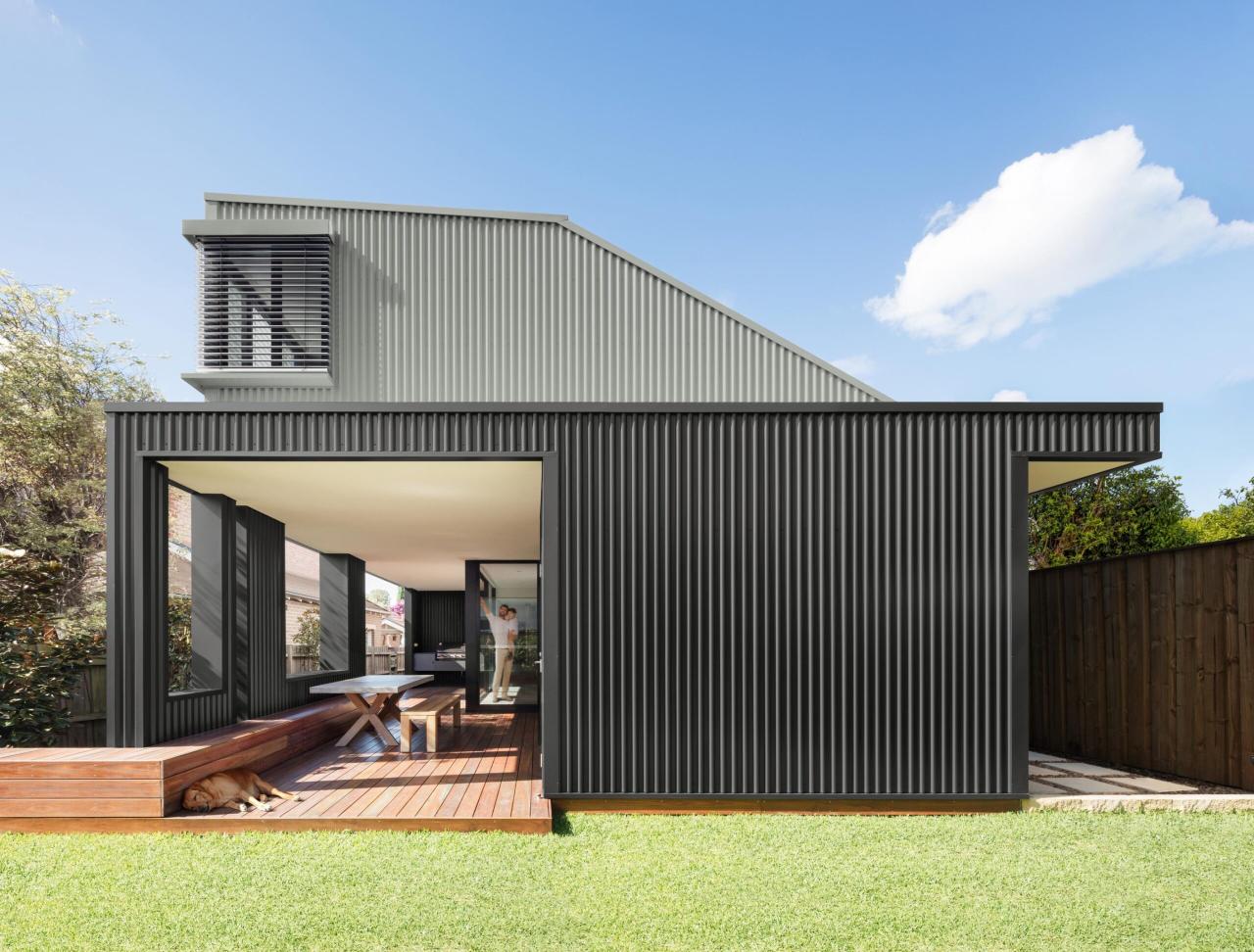
The type of materials used for roofing and cladding can have a major impact on the cost of replacement. High-quality materials such as Colorbond steel or terracotta tiles tend to be more expensive upfront but offer better durability and longevity, potentially reducing maintenance costs in the long run.
The cost of labor for roof and cladding replacement is another significant factor to consider. Skilled labor is required to ensure the proper installation of roofing and cladding materials, which can increase the overall cost of the project. Additionally, labor costs may vary depending on the complexity of the job and the location of the property.
The scope of the project, including the size of the roof, the extent of the damage, and any additional features like skylights or chimneys, can also impact the cost of replacement. Larger roofs or more complex projects may require additional materials and labor, leading to higher overall costs.
When considering renovations or upgrades to your home, it is crucial to understand the benefits of replacing both the roof and cladding simultaneously. Upgrading both components together can lead to numerous advantages, including improved energy efficiency and potential cost savings.
By upgrading both the roof and cladding at the same time, you can ensure better insulation and sealing of your home. This results in reduced energy loss through air leaks, leading to improved energy efficiency. Properly insulated roofs and well-sealed cladding can help maintain a comfortable indoor temperature year-round, reducing the need for excessive heating or cooling.
Replacing both the roof and cladding together can offer cost savings in various ways. Bundling the projects can often lead to discounts from contractors or suppliers, reducing the overall cost of the upgrades. Additionally, by addressing both components simultaneously, you may avoid future repair or replacement expenses that could arise if only one area is upgraded at a time.
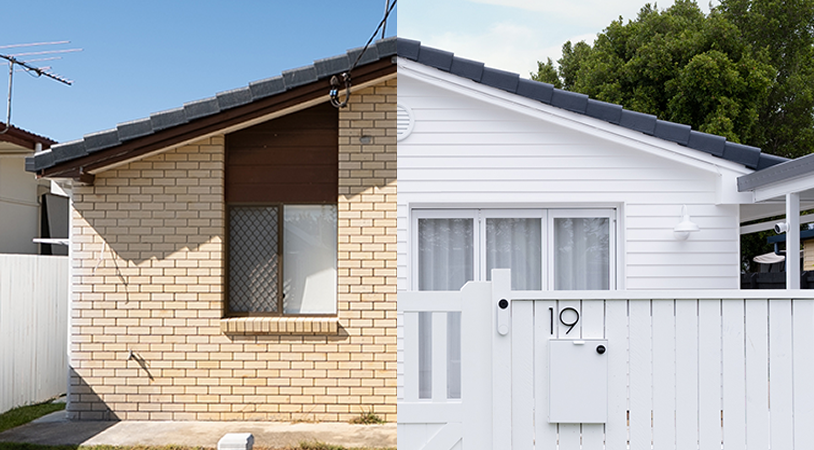
There are numerous examples of successful projects where both the roof and cladding were upgraded concurrently, resulting in significant benefits for homeowners. In these cases, homeowners experienced improved energy efficiency, enhanced curb appeal, and increased property value. By investing in both upgrades together, these homeowners were able to enjoy a more comfortable and cost-effective living environment.
When it comes to deciding whether to replace the roof or cladding first, there are several considerations to keep in mind. One key factor is the current condition of each component, as well as your budget and timeline constraints.
In Australia, the climate and location play a significant role in determining the replacement costs for roofs and cladding. Different regions across the country experience varying weather conditions, which directly impact the wear and tear on these essential components of a building.
Australia is divided into various climate zones, ranging from tropical in the north to temperate in the south. The harsh UV rays in the northern regions can cause faster deterioration of roofing materials, leading to more frequent replacements. On the other hand, areas prone to heavy rainfall may require cladding materials that are more resistant to moisture and mold.
The climate variations in Australia influence the choice of materials for roof and cladding replacements. For instance, in regions with high temperatures, materials with heat-reflective properties are preferred to reduce cooling costs. Similarly, areas prone to bushfires may require fire-resistant materials, which can impact the overall replacement costs.
The cost of roof and cladding replacements can vary significantly across different climatic zones in Australia. For example, replacing a roof in a tropical region where corrosion from saltwater is a concern may be more expensive than in a temperate region.
Similarly, cladding replacements in areas with extreme weather conditions may require specialized materials, leading to higher costs.
Should I upgrade both the roof and cladding at the same time?
It is generally recommended to upgrade both components together to maximize benefits and cost savings.
What factors influence the cost of roof and cladding replacements?
Key factors include materials used, labor costs, project scope, and the types of roofs and cladding materials chosen.
How does climate affect replacement costs in Australia?
Australian climate can impact material choices, pricing, and the overall challenges faced during replacements in different regions.