How Much Does It Cost to Remove and Replace Old Siding?
When it comes to removing and replacing old siding, there are several key factors that can influence the overall cost of the project. Understanding these factors can help you budget accordingly and make informed decisions about your siding replacement project.The size of the house is a significant cost factor.
Larger homes will require more materials and labor, resulting in a higher total cost for the project. Similarly, smaller homes will generally cost less to re-side due to the reduced amount of materials and labor needed.The type of siding material chosen also plays a crucial role in determining the total cost.
Different siding materials vary in price, with options like vinyl siding typically being more affordable than premium materials like cedar or fiber cement. The quality and durability of the siding material will also impact its cost, with higher-quality materials generally costing more.Labor costs are another important factor to consider.
The complexity of the job, the skill level required, and the local labor market can all influence labor costs. Hiring experienced professionals may cost more upfront but can result in a higher-quality installation that lasts longer.In addition to the cost of materials and labor, any necessary repairs or modifications to the underlying structure of the house can add to the overall expense of the project.
Addressing issues like rot, mold, or water damage before installing new siding can prevent future problems and ensure a successful siding replacement.Geographical location can also impact pricing variations in siding replacement projects. Factors such as local building codes, permit costs, availability of materials, and the overall cost of living in a particular area can all influence the total cost of removing and replacing old siding.
It’s important to consider these regional factors when budgeting for your siding replacement project.
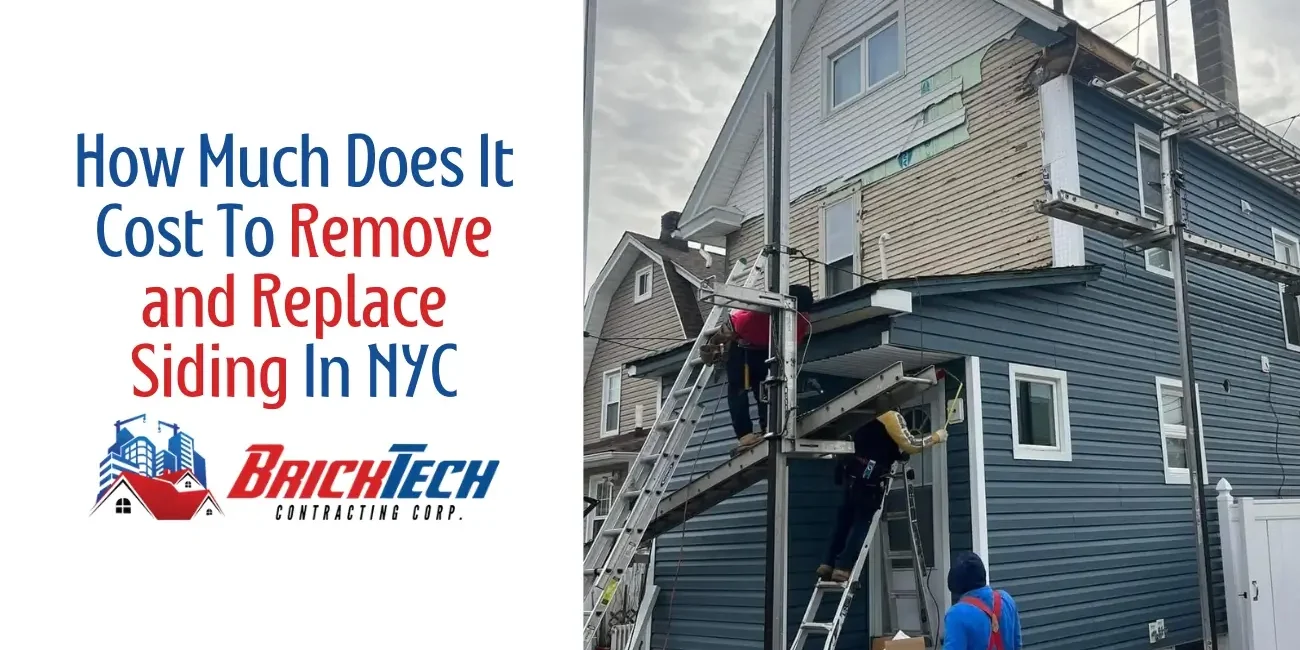
When it comes to replacing old siding, there are several options available in terms of materials. Each type of siding material comes with its own set of characteristics, costs, and maintenance requirements. Let’s explore the common siding materials used for replacement projects.
Vinyl siding is a popular choice due to its affordability and low maintenance requirements. It is available in a wide range of colors and styles, making it a versatile option for homeowners. While vinyl siding may not be as durable as other materials, it is a cost-effective choice for those on a budget.
Wood siding offers a natural and classic look to a home. It is more expensive than vinyl but is known for its durability and timeless appeal. However, wood siding requires regular maintenance, including painting or staining, to prevent rot and decay over time.
Fiber cement siding is a durable and low-maintenance option that mimics the look of wood but without the same level of upkeep. Although it is more expensive than vinyl, fiber cement siding is resistant to rot, pests, and fire, making it a long-lasting choice for homeowners.
Metal siding, such as aluminum or steel, offers a modern and sleek appearance to a home. While it is durable and requires minimal maintenance, metal siding can be more costly upfront compared to vinyl or fiber cement. However, it is a good option for those looking for a contemporary aesthetic and long-term durability.
When it comes to removing old siding from a house, there are several steps involved to ensure a safe and efficient process. It is important to have the right tools and equipment on hand, as well as some tips to handle any potential challenges that may arise during the removal process.
Replacing old siding with new siding involves a series of important steps to ensure a successful installation. From preparing the surface to adding insulation and moisture barriers, each step plays a crucial role in the longevity and effectiveness of the new siding.Proper insulation and moisture barriers are essential during the replacement process to protect the interior of the house from potential damage.
Insulation helps regulate the temperature inside the house, improving energy efficiency and reducing heating and cooling costs. Moisture barriers prevent water from seeping into the walls, preventing mold, mildew, and structural damage.
Professional contractors play a vital role in ensuring a successful siding replacement project. They have the expertise, experience, and tools necessary to handle the installation process efficiently and effectively. Here are some key aspects of the contractor’s role in a siding replacement project:
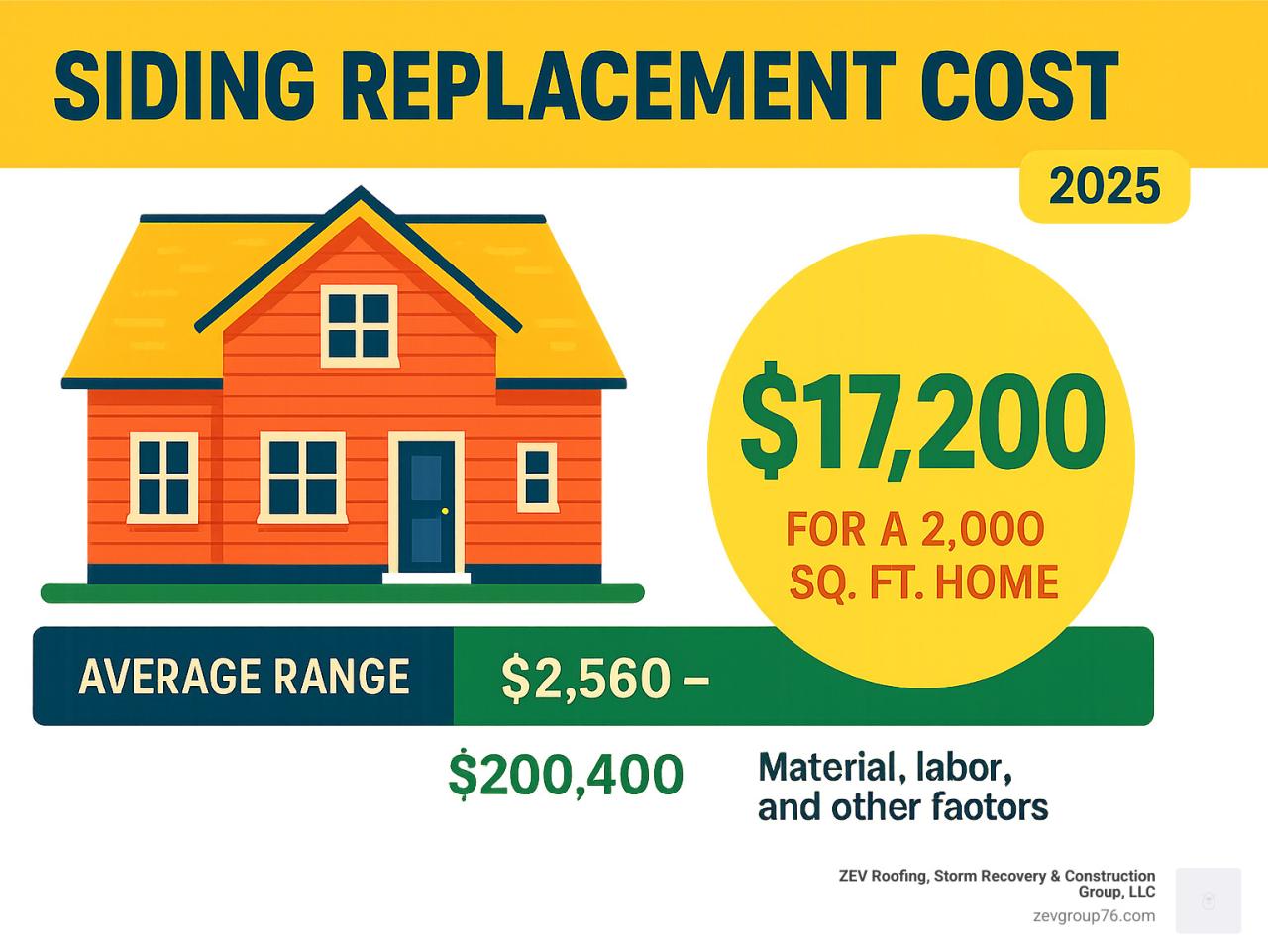
When planning a siding replacement project, it is crucial to obtain accurate cost estimates to ensure proper budgeting and financial preparedness. Below are some methods for obtaining reliable cost estimates, a breakdown of potential expenses, and the importance of comparing quotes from different contractors.
When estimating the cost of a siding replacement project, consider the following breakdown:
Comparing quotes from different contractors can help you identify the most competitive pricing, ensure transparency in the project costs, and choose a contractor that offers the best value for your budget.
What factors can influence the cost of removing and replacing old siding?
Factors such as the size of the house, type of siding material, labor costs, and potential repairs can all impact the total cost. Additionally, geographical location can also lead to pricing variations in siding replacement projects.
What are some common types of siding materials used for replacement projects?
Common siding materials include vinyl, wood, fiber cement, and metal. Each material comes with its own cost differences, durability, maintenance needs, and aesthetic appeal.
What is involved in the removal process of old siding?
The removal process includes steps like using specific tools and equipment for safe removal and handling potential challenges that may arise during the process.
How can one estimate the costs accurately for a siding replacement project?
Accurate cost estimates can be obtained by breaking down costs for materials, labor, permits, and unforeseen expenses. It’s also essential to get multiple quotes from different contractors for cost comparison.