Crafting an Effective Emergency Siding Repair Strategy: A Comprehensive Guide
Having a solid strategy for emergency siding repair is crucial for ensuring the safety and integrity of your home or building in times of crisis. When facing unexpected damages or severe weather conditions, having a plan in place can make a significant difference in minimizing further damage and ensuring a timely recovery.
Without a proper emergency siding repair plan, the risks can be severe. For instance, leaving damaged siding unattended can lead to water infiltration, causing mold growth, rotting of the structure, and compromising the overall stability of the building. Additionally, exposed siding can make your property more vulnerable to further damage during storms or harsh weather conditions.
Statistics show that delayed siding repairs during emergencies can have a significant impact on the overall cost of repairs. For example, a study conducted by a leading construction firm revealed that delaying siding repairs by just a few days can result in a 20% increase in repair costs due to the escalation of damages.
This highlights the importance of having a proactive emergency siding repair strategy in place to minimize costs and ensure a swift recovery.
When faced with an emergency siding repair situation, it is crucial to assess the damage effectively in order to prioritize repairs and address the most critical issues first. By following a systematic approach, you can ensure that the necessary repairs are completed in a timely and efficient manner.
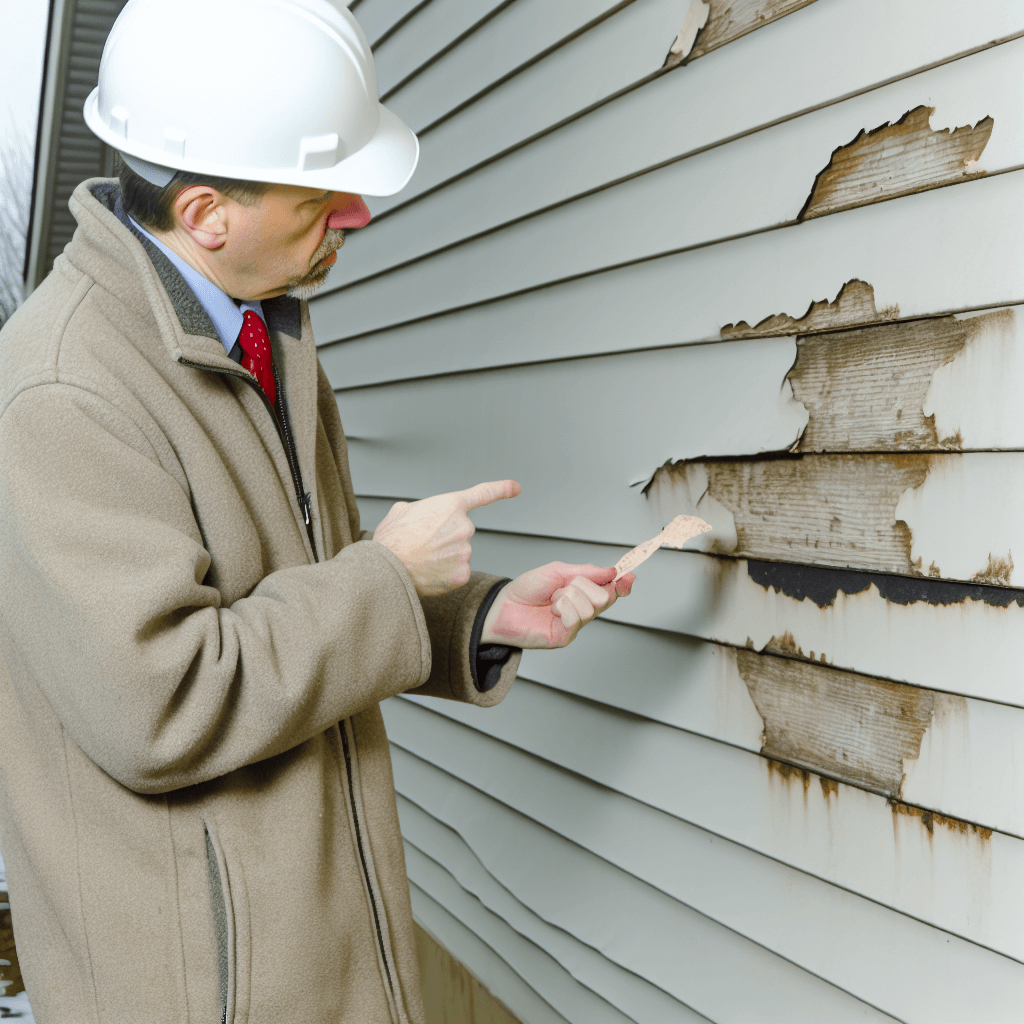
To assess siding damage effectively during an emergency, start by conducting a thorough visual inspection of the affected areas. Look for signs of cracks, holes, warping, or missing pieces in the siding. Pay attention to any water damage, mold growth, or structural issues that may have occurred as a result of the damage.
It is important to act quickly to repair any damage to the siding to prevent further issues such as water infiltration or structural damage.
After assessing the damage, it is essential to prioritize repair tasks based on the severity of the damage and the potential risks involved. This will help you focus on addressing the most critical issues first and prevent further damage from occurring.
By categorizing and prioritizing repair tasks effectively, you can ensure that the most critical issues are addressed first during an emergency siding repair situation, minimizing the risk of further damage and ensuring the safety of the building and its occupants.
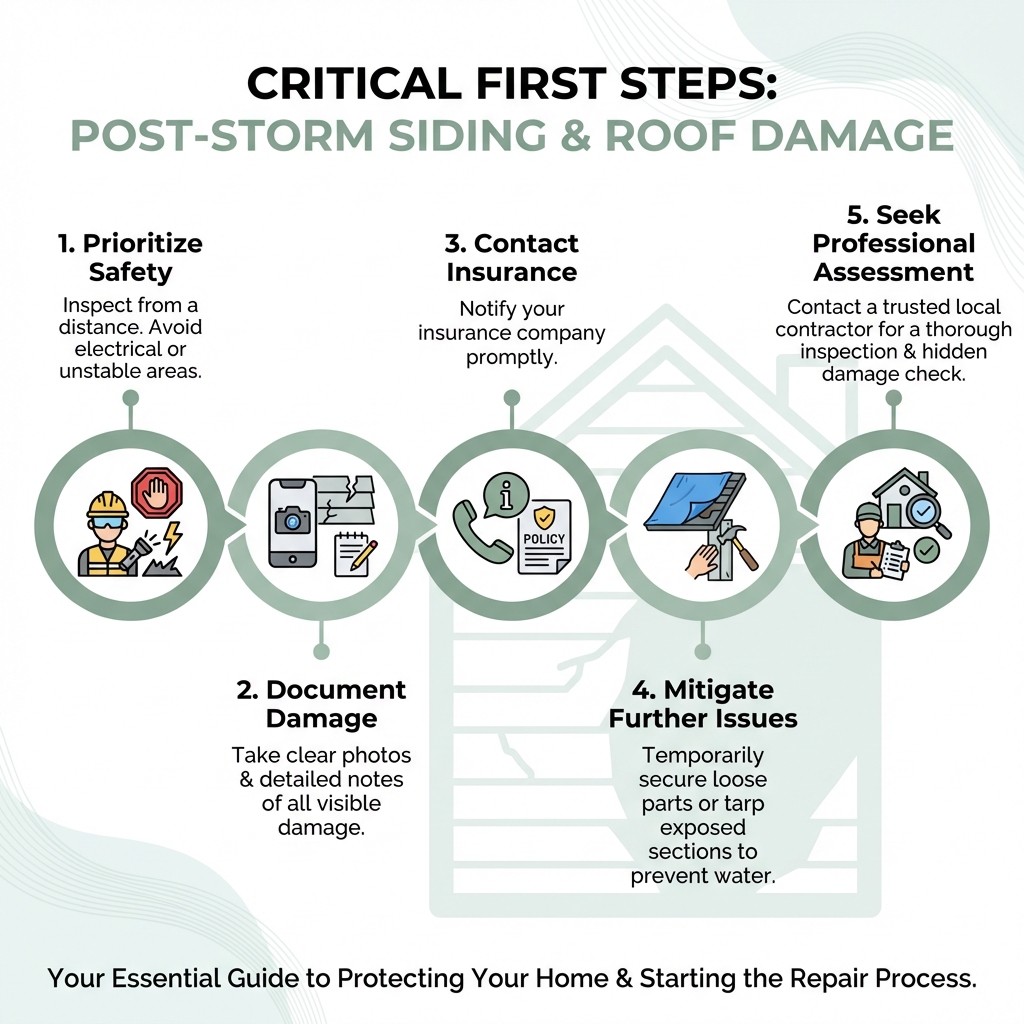
In order to effectively carry out emergency siding repairs, it is crucial to have the necessary materials and tools readily available. This ensures that the repairs can be done quickly and efficiently, minimizing further damage to the property.
Having the right tools for different types of siding materials is essential to ensure that the repairs are done correctly. For example, vinyl siding may require a different set of tools compared to wood siding. Using the wrong tools can result in further damage or improper installation, leading to more extensive repairs in the future.
When it comes to emergency siding repair, it’s crucial to understand the difference between temporary and permanent fixes. Temporary solutions are quick fixes that provide immediate relief and protection, while permanent fixes involve more extensive repairs to ensure long-term durability and stability.
In emergency situations where immediate action is necessary to prevent further damage or protect your home from the elements, opting for temporary fixes is suitable. Temporary solutions can buy you time until you can arrange for a permanent repair.On the other hand, if the damage is extensive or compromises the structural integrity of your siding, a permanent fix is necessary.
Permanent repairs may involve replacing entire sections of siding, reinforcing damaged areas, or addressing underlying issues that caused the damage in the first place.Remember, while temporary fixes can provide temporary relief, they are not a long-term solution. It’s essential to follow up with a permanent repair to ensure the integrity and safety of your home’s exterior.
When dealing with emergency siding repairs, it is crucial to prioritize safety measures to avoid accidents or injuries during the repair process. By following proper safety protocols and taking necessary precautions, both homeowners and repair professionals can ensure a safe working environment.
When it comes to emergency siding repairs, homeowners often face the dilemma of whether to tackle the project themselves or hire professionals. Both options have their own set of benefits and drawbacks that should be carefully considered before making a decision.
What are the risks of not having an emergency siding repair plan in place?
Without a plan, homeowners may face extensive damage to their property, increased repair costs, and potential safety hazards.
How can homeowners prioritize siding repairs during an emergency?
Assessing the damage severity, categorizing repairs based on urgency, and considering safety concerns are crucial factors in prioritizing repairs.
When should homeowners opt for temporary siding fixes?
Temporary fixes are suitable for immediate safety and protection while awaiting permanent repairs, but a professional should assess the situation for long-term solutions.
What safety precautions should be taken during emergency siding repairs?
Wearing protective gear, avoiding electrical hazards, and securing ladders properly are essential safety measures to follow during repairs.
Is it better to hire professionals or attempt DIY repairs for emergency siding issues?
Hiring professionals ensures expertise and quality work, but DIY approaches can be suitable for minor repairs if homeowners have the necessary skills and tools.